


Views: 600 Author: FOUR E’s Scientific Publish Time: 2026-03-06 Origin: Site


Laboratory centrifuges are essential tools in modern scientific research, clinical diagnostics, and industrial laboratories. From separating blood components to isolating nucleic acids and proteins, a laboratory centrifuge enables fast, accurate, and reproducible sample processing. Understanding how laboratory centrifuges work, the different types available, and how to choose the right model can significantly improve laboratory efficiency and results.
This guide explores everything you need to know about laboratory centrifuges and explains why Four E’s Scientific centrifuges are a reliable solution for today’s laboratories.
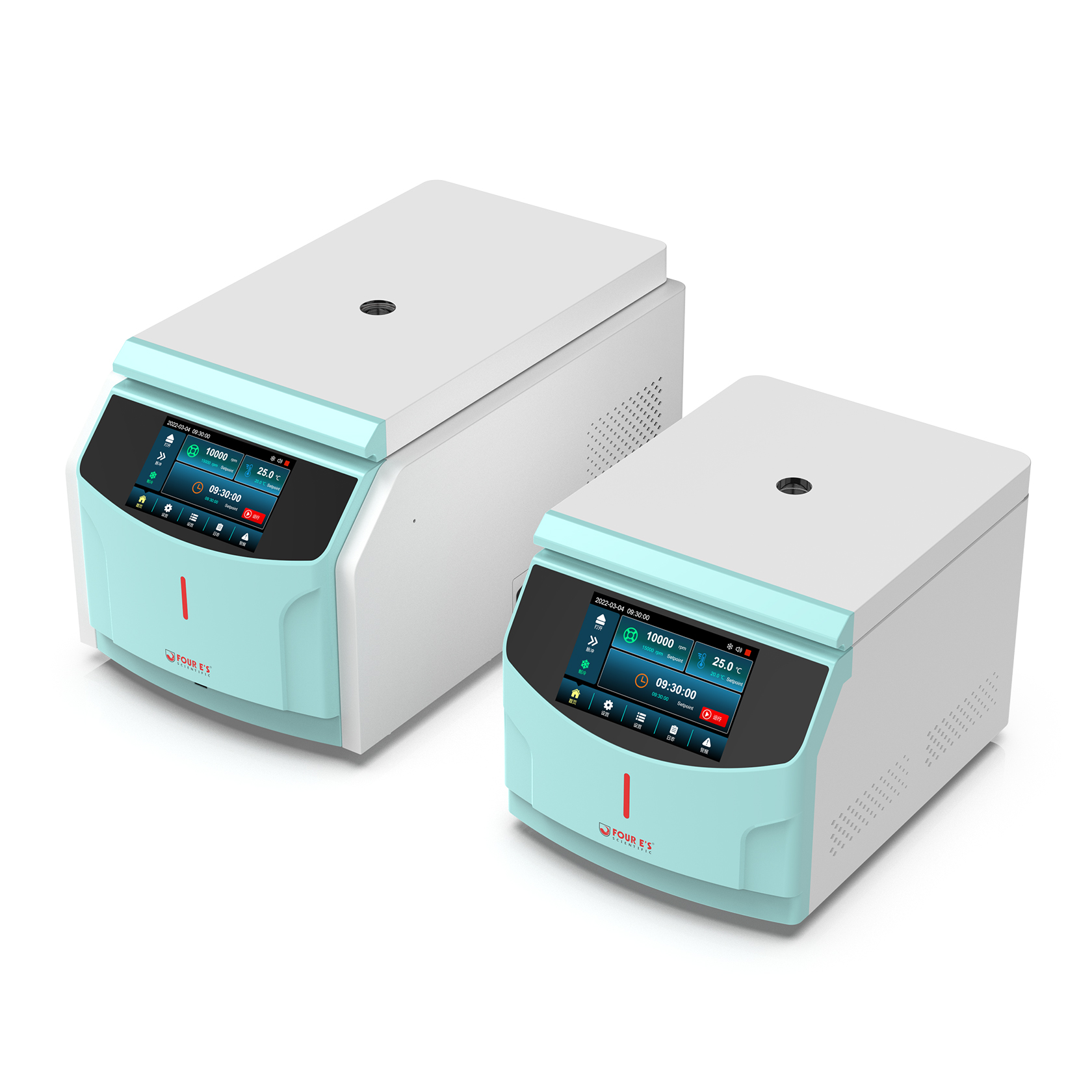
What Is a Laboratory Centrifuge?
A laboratory centrifuge is a device that uses centrifugal force to separate components of a liquid based on density. When samples are spun at high speeds, heavier particles move outward and settle at the bottom of the tube (forming a "pellet"), while lighter components remain on top (the "supernatant").
Laboratory centrifuges are widely used in life science research, clinical laboratories, pharmaceutical production, and academic institutions. They support workflows ranging from routine sample preparation to advanced molecular biology applications.
How a Laboratory Centrifuge Works
A laboratory centrifuge works by rotating samples at high speeds around a central axis. The centrifugal force generated pushes denser components outward, separating them from lighter materials.
Key operational parameters include:
Rotational speed (RPM or RCF)
Rotor type and capacity
Temperature control (for refrigerated models)
Accurate control of these factors ensures reproducible and reliable results across experiments.
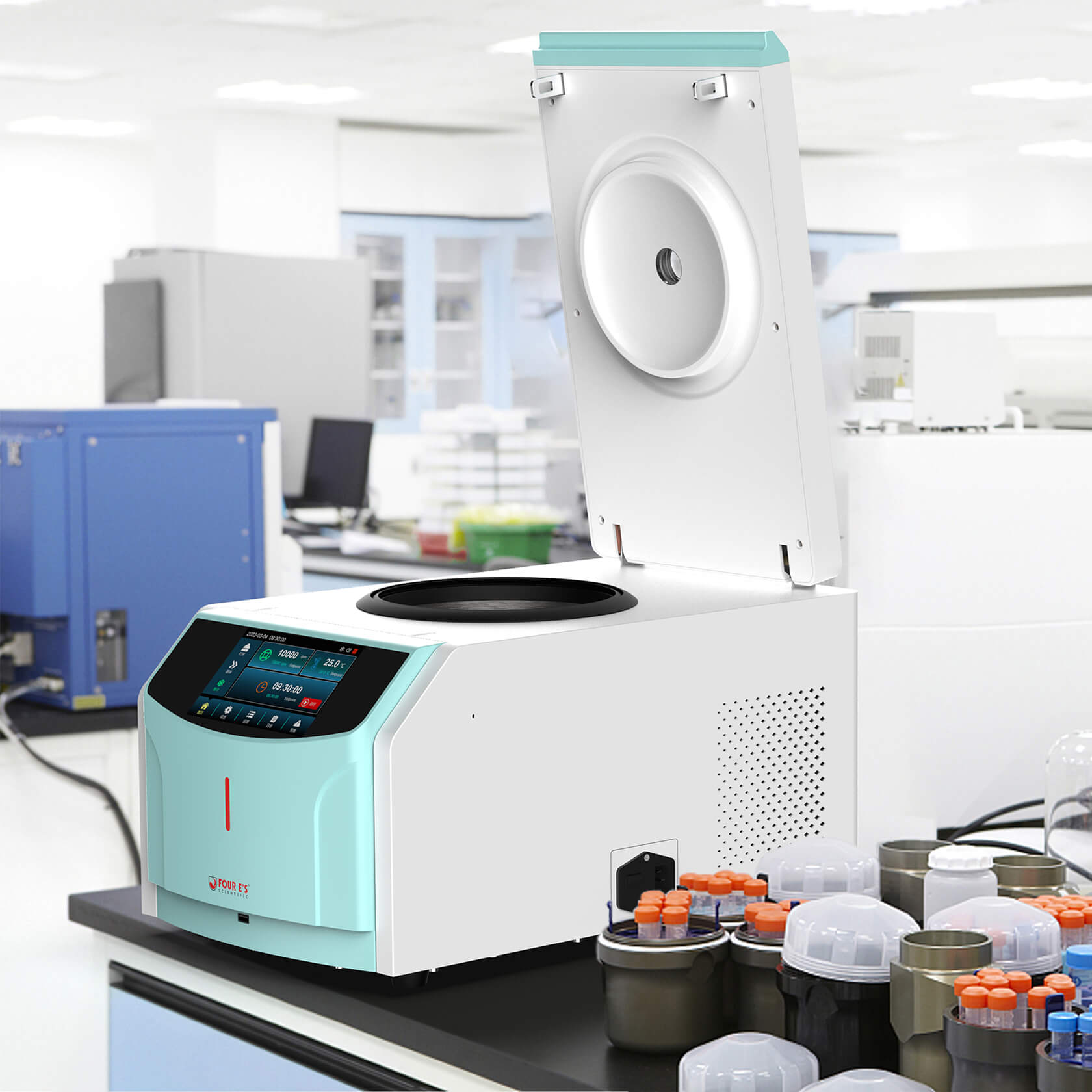
Types of Laboratory Centrifuges
Laboratory centrifuges can be broadly categorized by application, design, and temperature-control capabilities. Understanding these categories helps in selecting the right instrument for your specific workflow.
1. General-Purpose Laboratory Centrifuges
These laboratory centrifuges are commonly used for routine sample preparation in research institutions, universities, and standard laboratories.
Benchtop Centrifuge (Mini/Regular): Compact and space-saving, these units are ideal for everyday sample processing and compatible with volumes ranging from approximately 0.2 mL to 50 mL.
Benchtop Refrigerated Centrifuge: Designed for routine applications involving temperature-sensitive materials such as enzymes or antibodies, with precise temperature control typically ranging from 0–4°C.
Floor-Standing Refrigerated Centrifuge (Ambient or Refrigerated): Ideal for high-throughput laboratories handling larger sample volumes (above 50 mL) and batch processing needs.
2. Molecular Biology Laboratory Centrifuges
These centrifuges are optimized for micro-volume applications and high-speed separations required in molecular research.
High-Speed Micro Centrifuge: Used for DNA, RNA, and protein extraction with microtubes (0.2–2.0 mL), offering high RCF for efficient separation.
High-Speed Refrigerated Micro Centrifuge: Suitable for heat-sensitive molecular samples such as viral particles or protein complexes, providing sub-zero temperature control to prevent degradation during high-speed runs.
3. Clinical Diagnostic Centrifuges
Clinical laboratory centrifuges are specifically designed for medical testing and hospital environments.
Clinical Centrifuge: Commonly used for serum and plasma separation from blood samples, supporting routine clinical testing standards. They are also used in urine analysis and are configured to accommodate standard clinical tubes and containers.
Hematocrit Centrifuge: Designed for rapid red blood cell volume measurement, spinning capillary blood tubes at high speed to determine hematocrit levels accurately.
4. High-Performance Research Centrifuges
These advanced laboratory centrifuges are built for demanding scientific applications requiring higher speeds and stronger centrifugal force.
High-Speed Floor-Standing Centrifuge: Frequently used for subcellular fractionation, viral concentration, and mid-to-high RCF applications.
Ultracentrifuge: Designed for macromolecule and lipid analysis, capable of extremely high rotational speeds and centrifugal force for specialized research tasks.
By understanding these categories, you can select a laboratory centrifuge that aligns precisely with your workflow, sample type, and performance requirements.
Common Applications of Laboratory Centrifuges
The versatility of the laboratory centrifuge makes it indispensable across various fields:
Clinical Diagnostics: Separating blood components (plasma, serum, buffy coat) for subsequent analysis.
Molecular Biology: Pelleting cells, isolating nucleic acids (DNA/RNA), and purifying proteins.
Cell Culture: Harvesting cells, preparing cell lysates, and concentrating supernatants.
Microbiology: Concentrating bacteria or parasites from liquid samples for microscopic examination.
Chemistry: Separating precipitates from solutions or separating immiscible liquids.
Because these applications demand consistency and reliability, choosing a high-quality laboratory centrifuge is essential.
Key Features to Evaluate in a Laboratory Centrifuge
When selecting a laboratory centrifuge, consider the following features to ensure long-term performance:
Speed and RCF range to meet application requirements
Rotor compatibility for different tube sizes
Temperature control for sensitive samples
Safety features including automatic lid locks and imbalance detection
Quiet operation for a comfortable lab environment
User-friendly interface for efficient daily use
A well-designed laboratory centrifuge should balance performance, safety, and ease of operation.
Choosing the Right Laboratory Centrifuge For Your Needs
Selecting the ideal centrifuge starts with analyzing your specific workflow. Consider these key questions:
1. What are my primary sample types and volumes? (e.g., 1.5 mL microtubes, 50 mL conical tubes, or standard blood collection tubes).
2. What g-force do my standard protocols require? (e.g., gentle serum separation vs. high-force DNA pelleting).
3. Are my samples temperature-sensitive? (If yes, a refrigerated model is essential).
4. What is my available bench space and budget?
Matching the centrifuge type to your answers ensures you get the right tool for the job without over-investing in unnecessary features.
Why Choose Four E's Scientific Laboratory Centrifuges?
Finding a balance between high-end performance and cost-effectiveness can be a challenge. Four E’s Scientific bridges this gap by offering a diverse range of laboratory centrifuges engineered for precision and safety.


Whether you are a startup lab or a high-throughput clinical facility, Four E’s Scientific provides tailored solutions:
High-Speed Micro Centrifuge: Offering exceptional RCF for demanding molecular applications.
High-Speed Refrigerated Centrifuge: Perfect for maintaining sample integrity at sub-zero temperatures.
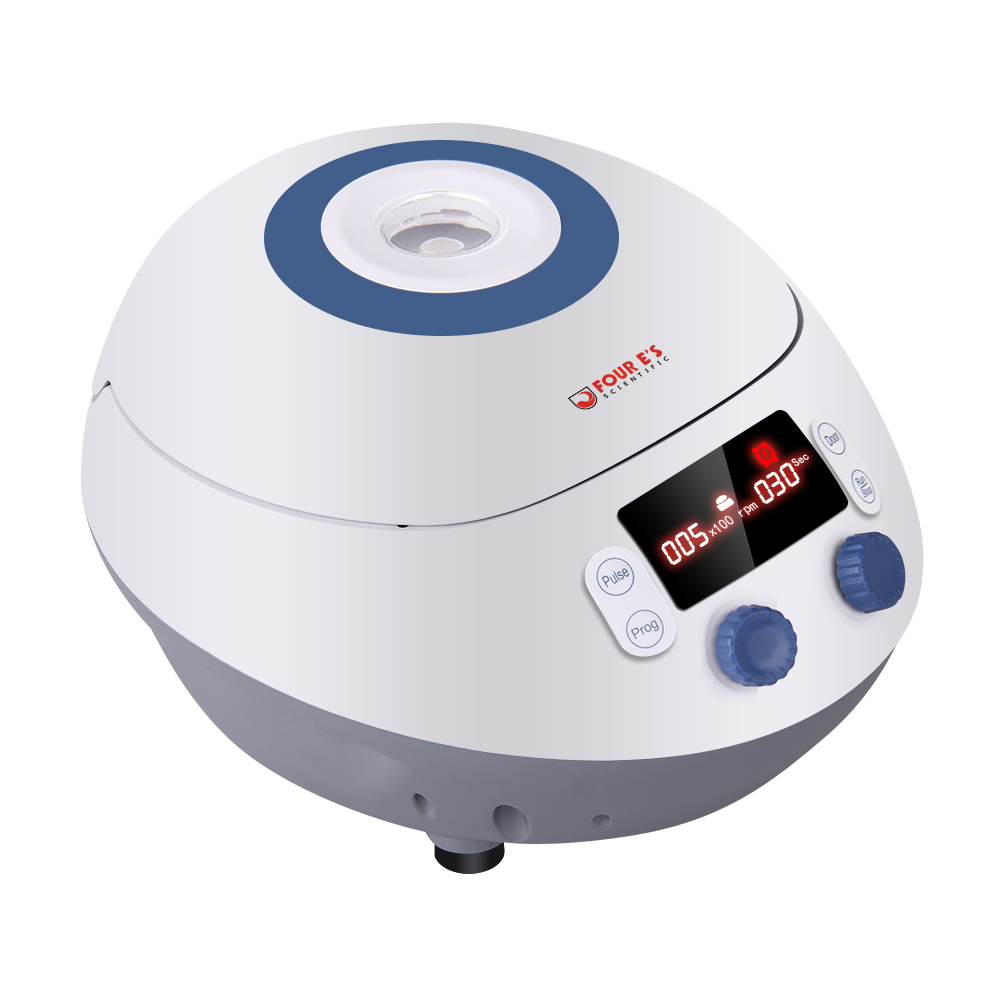
Mini Centrifuge: Convenient for limited bench space and rapid sample spins.
Clinical Centrifuge: Reliable tools for diagnostic labs requiring consistent separation of blood and body fluids.
Hematocrit Centrifuges: Specialized, high-precision instruments designed for rapid and accurate red blood cell volume determination in hematology settings.
What sets Four E’s Scientific apart is its commitment to user safety and equipment longevity. Their centrifuges feature advanced imbalance protection and quiet-running brushless motors, ensuring your lab remains a productive and safe environment. You can explore their full range at www.4esci.com/centrifuges.html.

Conclusion
A laboratory centrifuge is a cornerstone of efficient laboratory workflows, enabling accurate sample separation across countless applications. By understanding centrifuge types, applications, and key features, laboratories can make informed purchasing decisions.
With a broad portfolio, dependable performance, and flexible customization options, Four E’s Scientific laboratory centrifuges provide a reliable solution for modern laboratories seeking quality, safety, and efficiency.
FAQs About Laboratory Centrifuges
Q: What is the difference between RPM and RCF in a laboratory centrifuge?
A: RPM measures rotational speed, while RCF measures the actual centrifugal force applied to samples. RCF provides a more accurate comparison between centrifuges.
Q: What is the difference between a clinical centrifuge and a high-speed centrifuge?
A: A clinical centrifuge is typically a lower-speed instrument designed for routine separation of blood components and other bodily fluids. A high-speed centrifuge, on the other hand, can achieve much higher forces necessary for more demanding applications like isolating subcellular organelles or purifying proteins.
Q: How do I choose between a fixed-angle and a swing-bucket rotor?
A: Fixed-angle rotors hold tubes at a constant angle and are best for quickly pelleting particles like cells or DNA. Swing-bucket rotors allow tubes to swing out horizontally, creating a longer separation path, which is ideal for preparing serum or plasma and for density gradient separations.
Q: Do I need a refrigerated laboratory centrifuge?
A: If your samples are temperature-sensitive (like certain proteins or RNA), a refrigerated centrifuge is necessary to prevent degradation caused by the heat generated during high-speed spins.
Q: How do I choose the right laboratory centrifuge?
A: Consider sample type, volume, speed requirements, temperature control, and available space before selecting a centrifuge.

